FeaturedDocument ManagementSecure Enterprise Systems2025
Archiving System
Secure document archiving, built for complete local control.
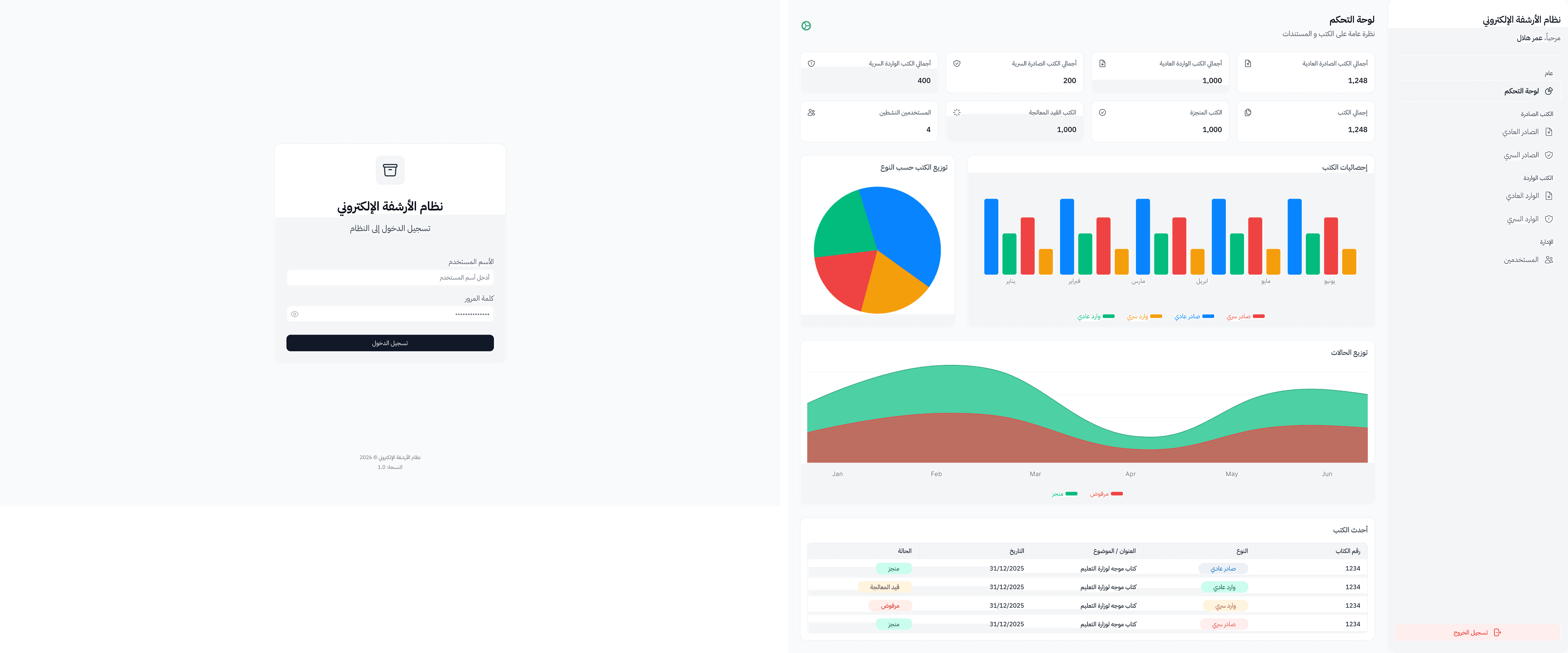
A custom on-premise archiving system designed to centralize document management, enforce access permissions, and maintain auditable records within a client's local infrastructure.

Case Study: Building a Secure On-Premise Digital Archiving System
Archiving System — Secure Document Management
Services: System Design, UI/UX Design, Frontend Development, Backend Development
Platforms: Local Network / On-Premise
Year Delivered: 2025
Project Overview
In 2023, Deprekated designed and deployed a custom digital archiving system for an enterprise client requiring secure document management, strict data ownership, and controlled access to sensitive records.
Designed to operate entirely within the client's local network infrastructure, the system provides a centralized environment for organizing, retrieving, and managing documents without relying on public cloud hosting.
The project focused on modernizing document workflows while addressing security, access governance, and traceability requirements. By bringing document management into a unified platform, the solution gives authorized users a structured way to access records while maintaining control over how sensitive information is handled.
The Challenge: Managing Sensitive Records Securely
Managing corporate records across disconnected storage locations creates operational inefficiencies and introduces unnecessary security risks.
Before the implementation, documents were distributed across individual workstations, physical filing cabinets, and shared network drives. This fragmented approach made retrieval difficult, complicated access management, and limited visibility into how records were being used.
Four key challenges shaped the project.
1. Fragmented Document Storage
Documents stored across multiple locations made it difficult to maintain a consistent organizational structure. Locating specific records could require manual searches across different systems and storage areas.
2. Restricted Access and Data Protection
Sensitive corporate and legal records required more granular permission controls than conventional shared folders could provide. Access needed to reflect users' responsibilities and departmental authorization levels.
3. Limited Auditability
Without a centralized audit trail, tracking document access and changes across departments was difficult. The system needed to provide a structured record of relevant user activities to support internal oversight and auditing.
4. Local Deployment Requirements
The client required the system to operate within its own infrastructure, minimizing external dependencies and maintaining control over where documents were stored and processed.
The solution therefore needed to combine usability, document organization, access governance, and local deployment within a single application.
The Solution: A Centralized, Locally Hosted Archiving Platform
Deprekated developed a custom document archiving platform designed around the client's operational and security requirements.
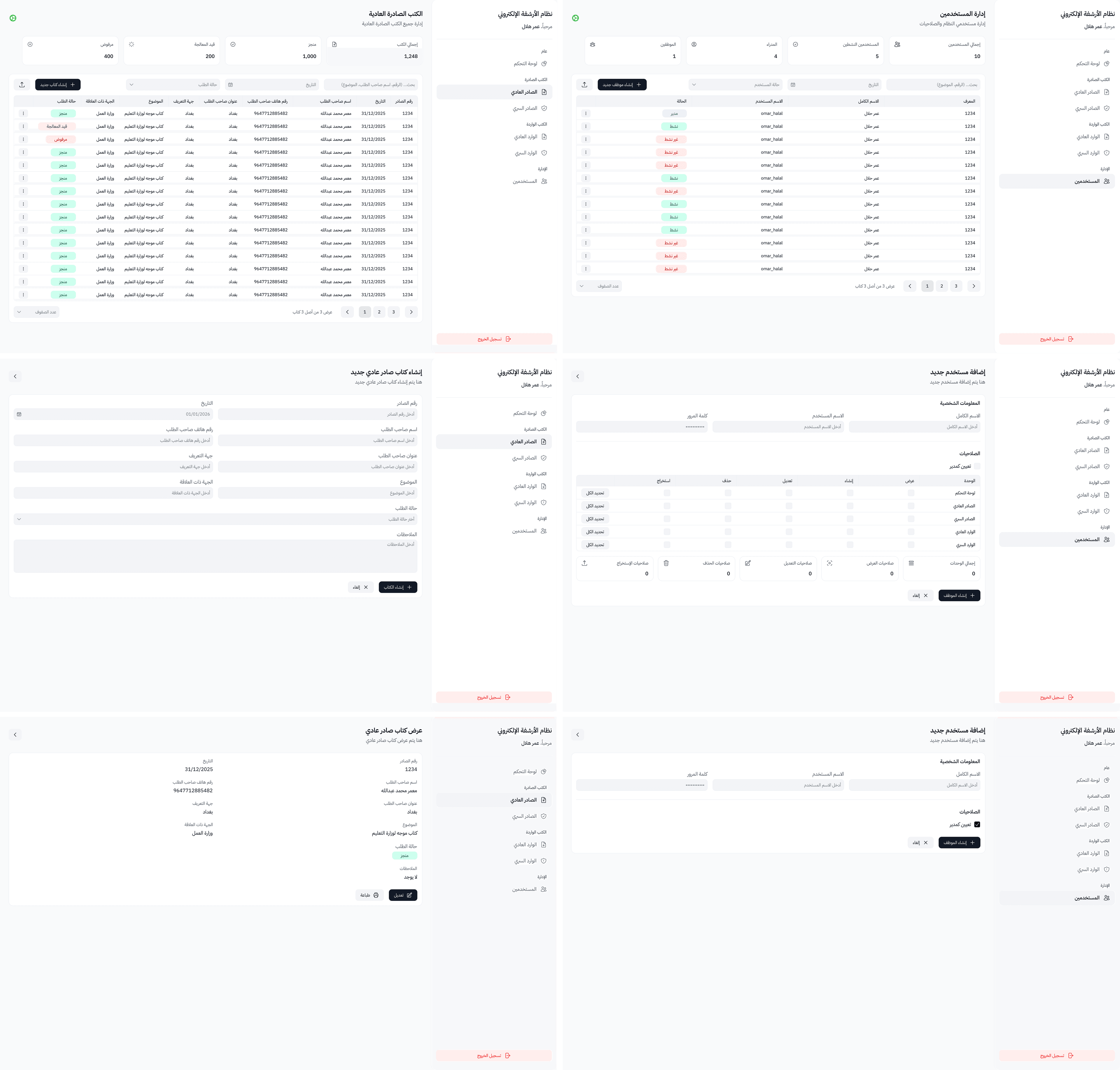
The system brings document storage, search, permissions, and activity tracking into a unified interface. Its functionality focuses on helping authorized users manage records efficiently while maintaining clear boundaries around access to sensitive information.
1. Role-Based Access Control (RBAC)
The system incorporates role-based access control to organize permissions according to users' responsibilities.
Role-Based Permissions
Different permission levels support distinct responsibilities, including administration, departmental oversight, archiving, and read-only access.
Controlled Document Access
Access restrictions can be applied according to user roles and departmental authorization, helping prevent unauthorized users from viewing or modifying restricted records.
Centralized Permission Management
A structured permissions model makes it easier to manage access consistently across the archiving environment.
2. Comprehensive Document Management
The platform provides a centralized environment for organizing and retrieving archived documents.
Document Ingestion and Categorization
Upload and categorization workflows help bring records into a structured repository, with metadata and indexing supporting more efficient organization.
Document Version History
Version management maintains revision histories so users can review previous versions and restore earlier content where supported by the system's permissions and functionality.
Full-Text Search
Search capabilities allow users to locate records through document content and associated metadata, reducing reliance on manual browsing through folders.
Together, these features help make the archive more searchable, organized, and practical for everyday administrative workflows.
3. Data Security and Sovereignty
Security and local control were central considerations throughout the system's design.
On-Premise Deployment
The application runs within the client's local infrastructure, keeping document storage and system operations under the client's administrative control rather than depending on public cloud hosting.
Encryption
The specified security approach includes AES-256 encryption for stored archives and SSL/TLS protection for network communications, helping protect sensitive information against unauthorized disclosure.
Audit Logging
Document-related activities can be recorded with timestamps to support traceability and internal review. Depending on the configured event coverage, these records can help administrators investigate access, modifications, and deletion-related activity.
The combination of local deployment, access controls, encryption, and audit logging provides multiple layers of protection for sensitive records.
Technical Architecture
The platform combines a web-based interface with backend services to support document management within a local network environment.
Frontend
The user interface was built using React and Tiptap-based components, providing a structured environment for navigating, organizing, and viewing document-related content.
The interface emphasizes clear information hierarchy, efficient navigation, and practical access to document management functions.
Backend
The backend supports the application's document workflows, access permissions, data handling, and associated system functionality.
Its responsibilities include coordinating application operations and supporting the controls required for centralized document management.
Local Infrastructure
The application is deployed within the client's local environment, allowing the organization to maintain administrative control over its infrastructure and document storage.
The deployment model is intended to minimize reliance on external services and support environments with strict data residency or network isolation requirements.
The Outcome: Greater Control Over Document Management
The delivered system provides the client with a centralized platform for managing sensitive records within its own infrastructure.
Key deliverables include:
A custom digital archiving and document management platform.
Role-based access control for managing user permissions.
Centralized document organization and categorization.
Full-text search and document indexing.
Document version history.
Encryption for stored data and network communications.
Audit logging for document-related activities.
On-premise deployment within the client's local environment.
These capabilities establish a structured foundation for document retrieval, access governance, and internal traceability.
The project demonstrates the implementation of security and document management controls, rather than a quantified reduction in security incidents or administrative processing time. Such outcomes would require operational measurements and audit data to evaluate.
Conclusion
The Archiving System project demonstrates how a purpose-built application can address the practical challenges of managing sensitive documents in a controlled enterprise environment.
By combining centralized document management, role-based access control, search, audit logging, and on-premise deployment, Deprekated delivered a system designed to balance operational efficiency with data ownership and access governance.
The result is a digital archiving platform that gives the organization greater control over its records while providing a foundation for secure, structured, and maintainable document workflows.
Deprekated — Building digital systems around real operational needs.